
2013 Chevrolet Camaro Problems: 7 Known Issues
2013 model year · NHTSA recalls, manufacturer TSBs, and owner forum reports · Updated October 2026
According to Au7o's research across NHTSA recalls, manufacturer TSBs, and owner forum reports, the 2013 Chevrolet Camaro has 7 documented known issues, with 2 rated critical. The most serious are Ignition Key Rotation to Accessory/Off Causing Engine Stall ($0-$400 repair) and Timing Chain Stretch and Correlation Faults on 3.6L LLT/LFX V6 ($1,500-$3,200 repair). Across all issues with published estimates, repair costs range from $100 to $3,200. DIY maintenance guides at au7o.io.
2013 · 1LT · All engines
Choose the year and equipment for your written issues and visual request.
No email neededHow interest is saved
Interest applies to the selected vehicle and configuration; it is not a reservation. Voting stores a first-party identifier for up to 180 days to prevent repeat votes. No account or email is needed. Clearing cookies or using another device may count separately. Privacy
Visual Known Issues · Coming soon
$4.99/month plus taxes at launch · No payment today
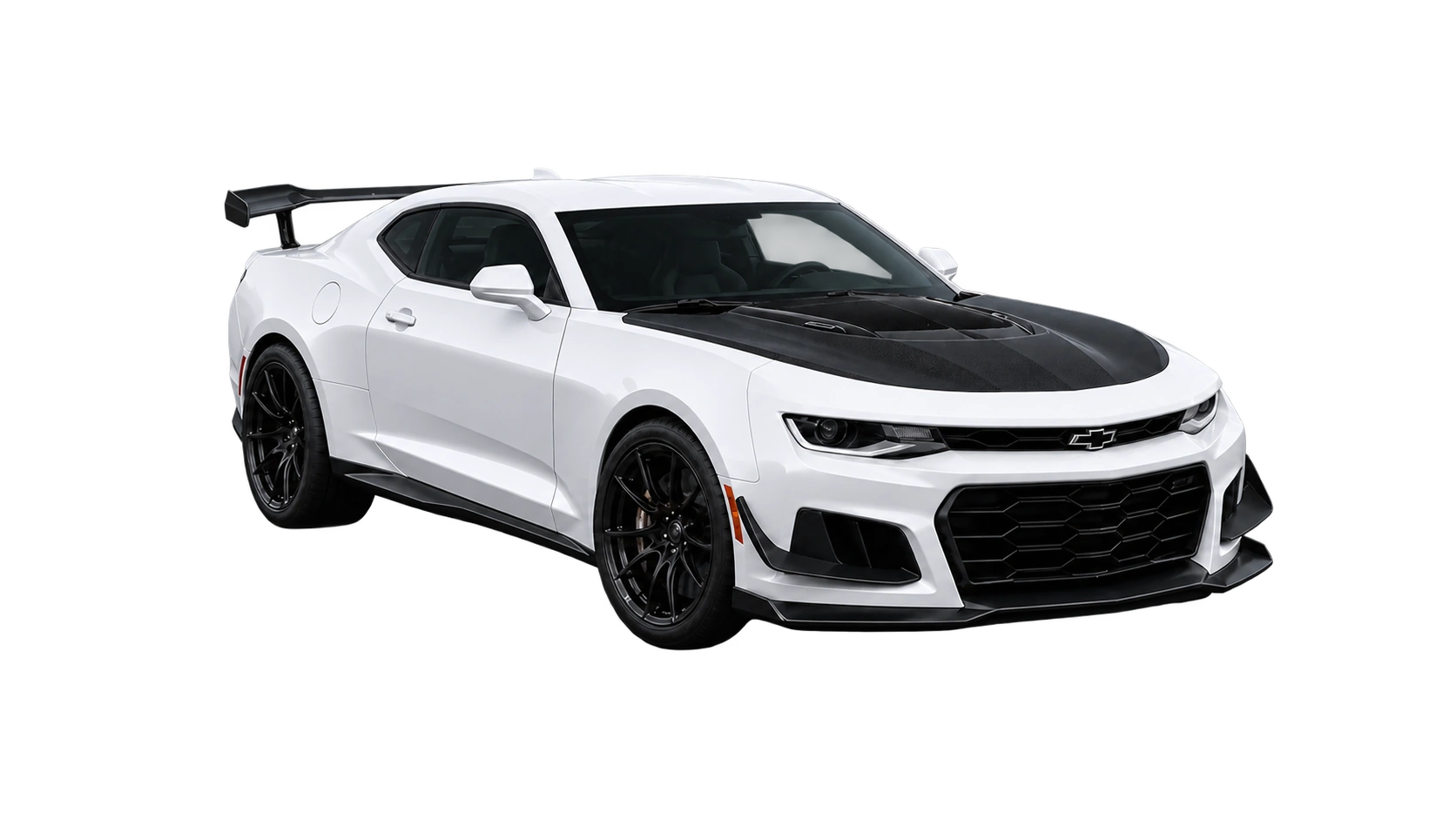
2019 Chevrolet Camaro ZL1 1LE silhouette · model reference only; selected body style is not shown
All 7 Known Issues
When Issues Typically Appear
NHTSA Recalls10 recalls
ELECTRICAL SYSTEM:IGNITION
General Motors LLC (GM) is recalling certain replacement flip-key ignition transmitter assemblies sold as replacement equipment for 2010-2015 Chevrolet Camaro vehicles. GM dealers may have inadvertently sold these assemblies as replacement keys despite them having been recalled under NHTSA recall number 14V-346 (GM number 14294) when they were the original equipment assemblies. The driver may accidentally bump the ignition key with their knee, moving the ignition out of the run position and turning off the engine.
AIR BAGS:SIDE/WINDOW
General Motors LLC (GM) is recalling certain model year 2015 Buick LaCrosse, Cadillac XTS, Chevrolet Camaro, Equinox, Malibu, and GMC Terrain vehicles. The affected vehicles have front seat-mounted side impact air bags whose inflator may rupture upon its deployment.
ELECTRICAL SYSTEM:SOFTWARE
Genera Motors LLC (GM) is recalling certain model year 2016 Chevrolet Camaro, Malibu, Silverado and GMC Sierra vehicles. The radio may intermittently fail to provide an audio warning when the key has been left in the ignition and the door is opened or when the driver does not fasten their seat belt. As such, these vehicles fail to comply with the requirements of Federal Motor Vehicle Safety Standards (FMVSS) number 114, "Theft Protection", and/or 208, "Occupant Crash Protection."
ELECTRICAL SYSTEM:IGNITION
General Motors LLC (GM) is recalling all 2010-2014 Chevrolet Camaro vehicles manufactured December 3, 2008 to May 23, 2014. In the affected vehicles, the driver may accidentally hit the ignition key with their knee, unintentionally knocking the key out of the run position, turning off the engine.
EQUIPMENT:OTHER:LABELS
General Motors (GM) is recalling certain model year 2013 and 2014 Chevrolet Camaro Coupes manufactured June 9, 2013, through September 6, 2013. In the affected vehicles, the required air bag warning label on the sun visor may peel off. Thus, these vehicles fail to comply to Federal Motor Vehicle Safety Standard No. 208 "Occupant Crash Protection."
+ 5 more recalls. Check all on NHTSA.gov
Enter your VIN at NHTSA.gov to check recalls specific to your vehicle.
Join 600+ people using Au7o to better understand their vehicles.
Don't see your problem? Describe your symptoms to get a diagnosis, or get a full repair guide.
Other Chevrolet Models
Frequently Asked Questions
What are the most common Chevrolet Camaro problems?
According to Au7o's research across NHTSA recalls, manufacturer TSBs, and owner forum reports, the 2013 Chevrolet Camaro has 7 documented issues. The most frequently reported are: Ignition Key Rotation to Accessory/Off Causing Engine Stall, Timing Chain Stretch and Correlation Faults on 3.6L LLT/LFX V6, A/C Condenser Refrigerant Leak (Weak or No Cold Air). Of these, 2 are rated critical and should be addressed promptly.
Is the Chevrolet Camaro reliable?
The 2013 Chevrolet Camaro has 7 known issues compiled from NHTSA recalls, manufacturer TSBs, and owner forum reports. 2 issues are rated critical: Ignition Key Rotation to Accessory/Off Causing Engine Stall and Timing Chain Stretch and Correlation Faults on 3.6L LLT/LFX V6. Prospective buyers should inspect for these issues and factor potential repair costs into their purchase decision. Regular maintenance following the manufacturer's schedule helps prevent many common problems.
How much does it cost to fix common Chevrolet Camaro problems?
Repair costs for known Chevrolet Camaro issues range from $0 to $3,200, depending on the specific problem and whether you choose DIY or professional repair. The most critical issue, Ignition Key Rotation to Accessory/Off Causing Engine Stall, typically costs $0-$400 to repair. Au7o provides step-by-step DIY maintenance guides that can help reduce repair costs.
What is the 2010-2014 Chevrolet Camaro Ignition Key Rotation to Accessory/Off Causing Engine Stall?
Fifth-generation Camaro models were included in GM's ignition switch/key rotation safety recall because the key could be inadvertently moved out of the Run position by contact with the driver's knee. When this happens, the engine can shut off while driving, causing loss of power… Repairs typically run $0-$400. Severity: high.
What is the 2010-2015 Chevrolet Camaro Timing Chain Stretch and Correlation Faults on 3.6L LLT/LFX V6?
The 3.6L direct-injected V6 used in fifth-generation Camaro is known for timing chain wear/stretch that can trigger cam/crank correlation faults, rough running, and reduced performance. GM issued service information and special coverage on related 3.6L timing chain concerns acros… Repairs typically run $1,500-$3,200. Severity: high.
What is the 2010-2015 Chevrolet Camaro A/C Condenser Refrigerant Leak (Weak or No Cold Air)?
The front-mounted A/C condenser and its crimped hose connections are prone to pinhole leaks and stone-strike damage, letting refrigerant escape so the system blows warm. Camaro owners commonly report the condenser leaking at the tubes or at the pressure-hose crimp between condens… Repairs typically run $400-$1,100. Severity: medium.
What is the 2010-2015 Chevrolet Camaro Sunroof Water Leaks Causing Wet Headliner, A-Pillar Drips, and Interior Module Corrosion?
Cars equipped with the factory sunroof are known to develop water leaks from clogged or disconnected drain tubes, poor seal seating, or drain routing issues. Owners report water dripping from the headliner or A-pillars, soaked carpets, mildew odors, and intermittent electrical is… Repairs typically run $100-$1,200. Severity: medium.
What is the 2010-2016 Chevrolet Camaro Front Wheel Bearing / Hub Assembly Failure (Humming, ABS Light)?
The sealed front wheel-bearing/hub assemblies wear out and produce a growing humming, rumbling, or grinding noise that changes pitch when turning or with speed. Because the wheel-speed sensor is integral to the hub, a failed bearing can also set ABS/StabiliTrak faults and light t… Repairs typically run $200-$700. Severity: low.
What is the 2010-2015 Chevrolet Camaro 6L50/6L80 6-Speed Automatic 2-3 Upshift Flare / Slip?
Gen 5 Camaros with the 6L50/6L80/6L90 six-speed automatic commonly exhibit a 2-3 upshift 'flare' where engine RPM briefly rises before the gear engages, sometimes followed by a firm bump. GM issued bulletins calling a mild 2-3 slip/flare a 'normal characteristic,' but worsening f… Repairs typically run $150-$1,800. Severity: low.
What is the 2010-2015 Chevrolet Camaro HVAC Blend Door Actuator Failure (Clicking/Knocking, Uneven Temperature)?
The plastic gears inside the HVAC blend-door actuator strip over time, so the actuator motor spins without moving the temperature-mix door. Owners hear a repetitive clicking or knocking behind the dash (often on start-up or when changing temperature) and get uneven output such as… Repairs typically run $120-$500. Severity: low.
Content on this page was compiled with AI assistance using NHTSA complaints, TSBs, owner reports, and public automotive data. While we strive for accuracy, this information may contain errors. Always verify repair procedures and specifications with your vehicle's service manual or a qualified mechanic.